

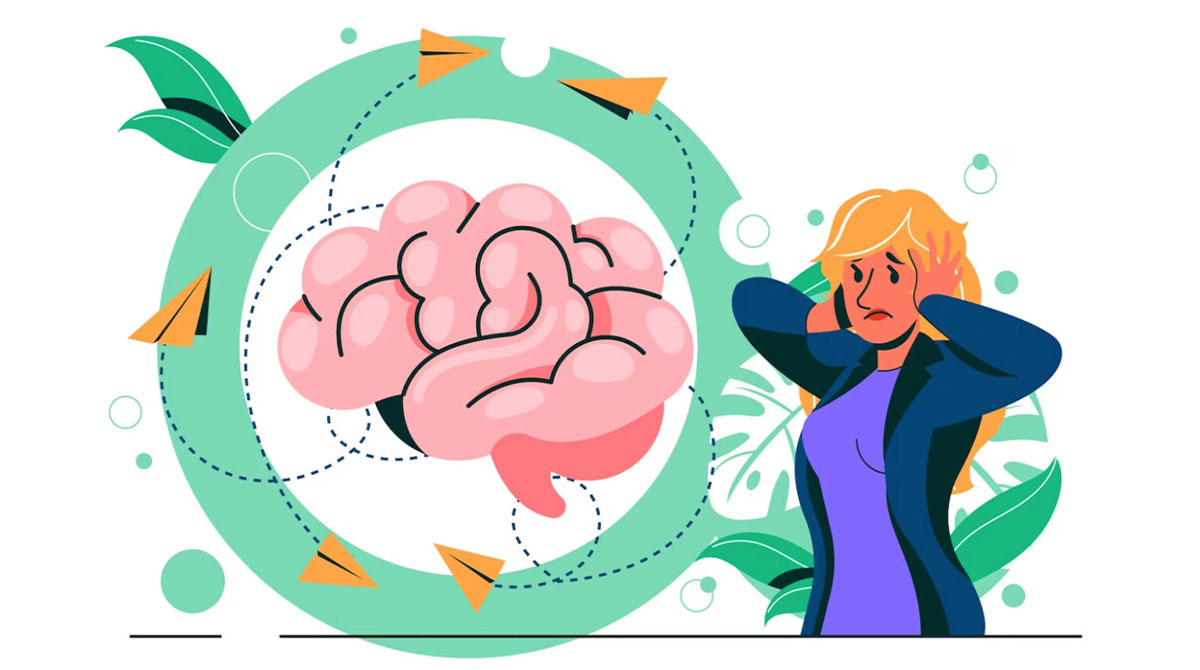
In the dynamic and fast-paced world of work, creating an environment that fosters productivity, growth, and well-being is crucial for all employees. However, for individuals with Attention Deficit Hyperactivity Disorder (ADHD), the stakes are even higher. A non-productive and toxic work environment not only hinders the overall success of the organization but can have severe implications for individuals with ADHD. In this article, we will explore the specific challenges that people with ADHD face in such environments and discuss the importance of knowledge stimulation and learning for their professional development.
Understanding ADHD in the Workplace
ADHD is a neurodevelopmental disorder that affects both children and adults. Common symptoms include difficulty focusing, impulsivity, and hyperactivity. In a work setting, these challenges can be particularly pronounced, making it essential for employers to create an environment that supports the unique needs of individuals with ADHD.
Non-Productive Work Environments
Non-productive work environments often lack structure, clear expectations, and effective communication channels. For individuals with ADHD, this can exacerbate their existing difficulties in maintaining focus and organization. The constant distractions and lack of a defined workflow can lead to increased stress and reduced job satisfaction, ultimately impacting their overall performance.
Moreover, non-productive workplaces may lack adequate resources for employees with ADHD, such as assistive technologies, flexible schedules, or dedicated spaces for focused work. Without these accommodations, individuals with ADHD may struggle to reach their full potential and contribute meaningfully to the organization.
Toxic Work Environments
Toxic work environments are characterized by negative interpersonal relationships, excessive stress, and a lack of psychological safety. These environments can be particularly challenging for individuals with ADHD, as the emotional toll of toxic workplaces can exacerbate their symptoms.
Constant criticism, unrealistic expectations, and a culture of blame can contribute to feelings of inadequacy and frustration for individuals with ADHD. These negative emotions can further impede their ability to concentrate and complete tasks, creating a cycle of underperformance and dissatisfaction.
Lack of Knowledge Stimulation and Learning Opportunities
Individuals with ADHD thrive in environments that provide continuous learning opportunities and intellectual stimulation. A workplace that fosters a culture of curiosity and invests in employee development can significantly benefit employees with ADHD. Unfortunately, non-stimulating work environments that lack opportunities for growth may contribute to feelings of stagnation and boredom, further hindering the productivity and job satisfaction of individuals with ADHD.
The Importance of Accommodations and Support
To create a more inclusive and supportive work environment for individuals with ADHD, employers can implement several strategies:
- Clear Communication: Provide clear expectations and open lines of communication to reduce ambiguity and help individuals with ADHD stay on track.
- Flexible Work Arrangements: Offer flexible schedules or remote work options to accommodate different work styles and optimize productivity for individuals with ADHD.
- Training and Education: Provide training on ADHD awareness for all employees to foster understanding and reduce stigma. Additionally, invest in ongoing professional development opportunities.
- Mental Health Support: Create a workplace culture that prioritizes mental health and offers resources such as counseling services or employee assistance programs.
- Accommodations: Work with individuals with ADHD to identify and implement reasonable accommodations, such as quiet workspaces or assistive technologies. In conclusion, a non-productive and toxic work environment can have profound effects on individuals with ADHD, hindering their ability to thrive personally and professionally. Recognizing the unique challenges faced by individuals with ADHD and implementing supportive measures can not only benefit these individuals but also contribute to a more inclusive and productive workplace overall. By fostering a culture of understanding, flexibility, and continuous learning, organizations can create an environment where every employee, including those with ADHD, can reach their full potential.